Culture is where people express experience, investigate questions, develop understanding, preserve memory and imagine possibilities. NOVASCENZA explores Culture through three interrelated dimensions: Art, Science and Knowledge. They offer different methods and forms of contribution. Their relationships are a source of discovery, not a reason to erase their distinctions.
Art — expression, form and imagination
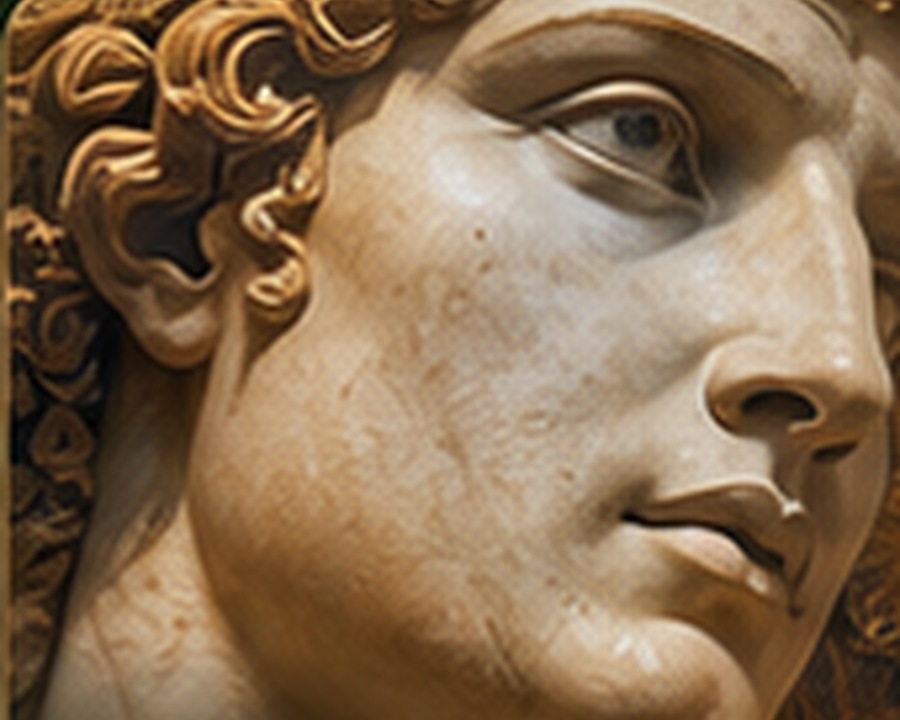
Art gives form to perception, emotion, imagination and experience. It includes visual art, architecture, music, literature, design, sculpture, generative practice, film, moving image, performance and craft.
Our Art collection is an editorial library: introductions to artistic practices, histories of styles and movements, artists and works in context, materials and techniques, exhibitions, and guided ways of looking, listening and interpreting.
Explore Art — Forms, Practices, Styles and Movements →
Science — investigation and explanation
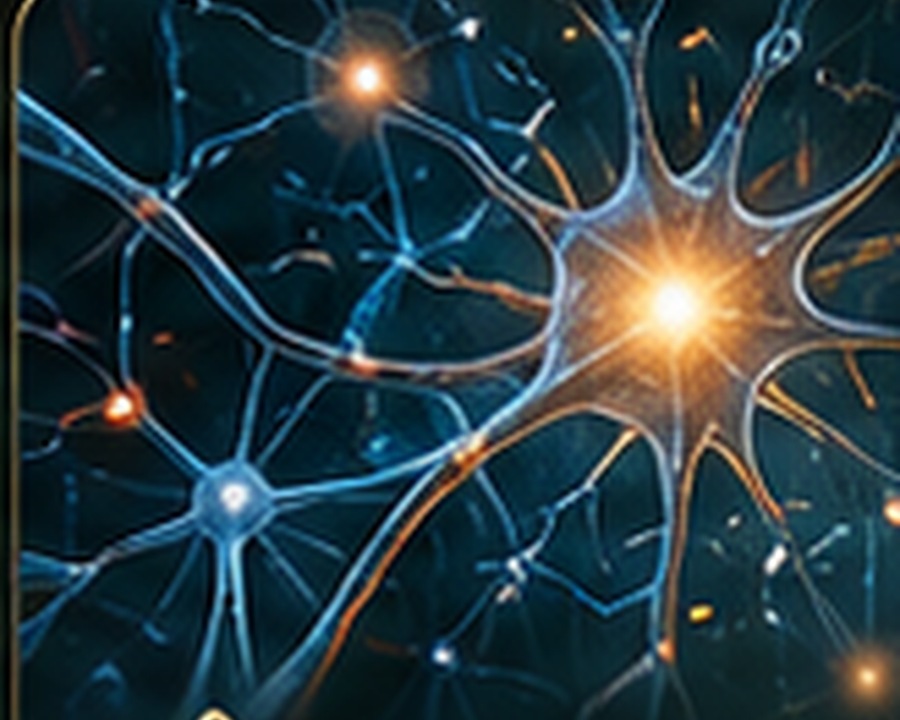
Science investigates the world through observation, evidence, modelling, experimentation and critical review. It includes the natural and physical sciences as well as relevant social and interdisciplinary research. Our Science collection will explain discoveries, methods, instruments, materials, biological mechanisms and the limits of current understanding.
Explore Science →
Knowledge — memory, meaning and transmission
Knowledge includes the ways understanding is developed, questioned, organized, remembered and transmitted. It encompasses philosophy, education, history, learning, libraries, publishing, documentation and information systems.
Explore Knowledge →
Where the dimensions meet
A work of art can raise a scientific question. Scientific research can transform design practice. Philosophy can examine the assumptions behind a technology. Education can connect all three. These relationships are starting points for Convergence: each exploration should explain what kind of relationship is being proposed and what evidence or interpretation supports it.
Editorial principle
Art, Science and Knowledge are not interchangeable labels. Aesthetic interpretation is not scientific validation; a scientific result does not settle every cultural question; and a collection of information is not automatically understanding. Convergence makes possible relationships visible while preserving the methods and limits of each field.