THE LIVING CONTEXT
Life is our origin. It is also an immense field of questions. From the organization of a cell to the relationships that shape ecosystems, from Earth’s biosphere to the wider cosmos, each perspective asks us to look at the world at a different scale.
NOVASCENZA explores Life through five connected editorial lenses. They are pathways for inquiry, not a single biological hierarchy. In particular, the cosmic context places Earth and life within astronomy; it is not itself a level of biological organization.
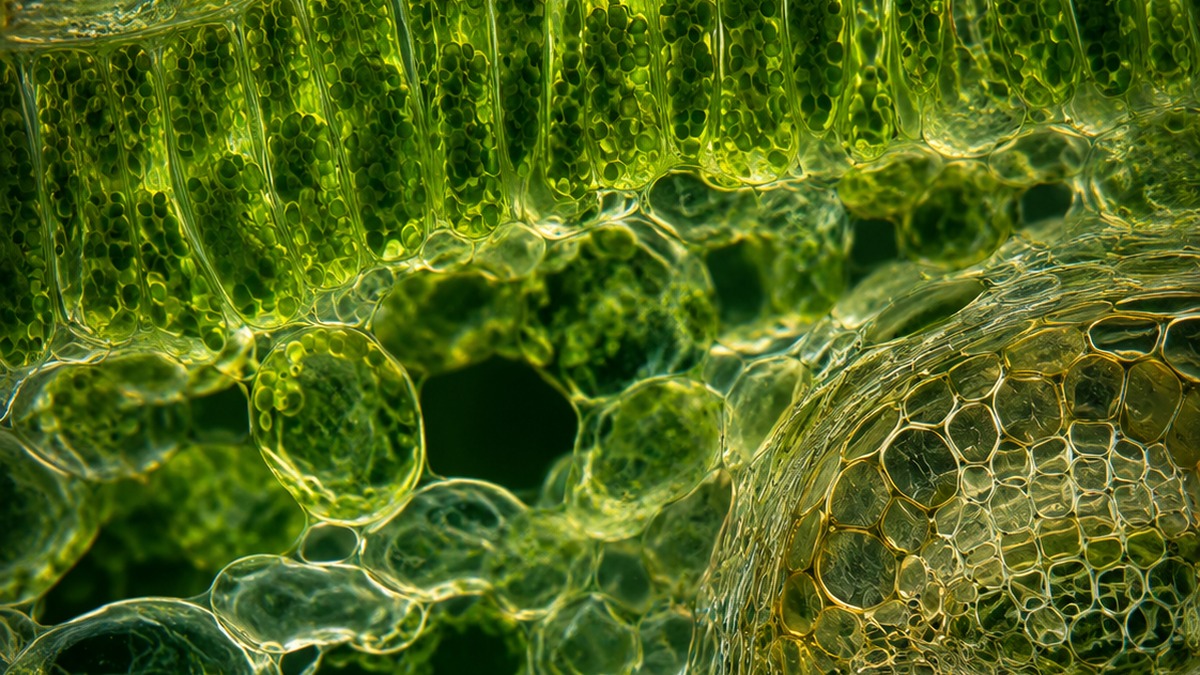
01 — Microscopic
Look closely at cells, tissues, microorganisms, molecules and biological materials. At this scale, questions concern membranes, transport, energy transformation, communication, development and the molecular structures that make biological activity possible.
A microscopic view does not mean that a system can be understood by magnification alone. The interactions between components, their timing and the conditions around them matter as much as their individual structures.
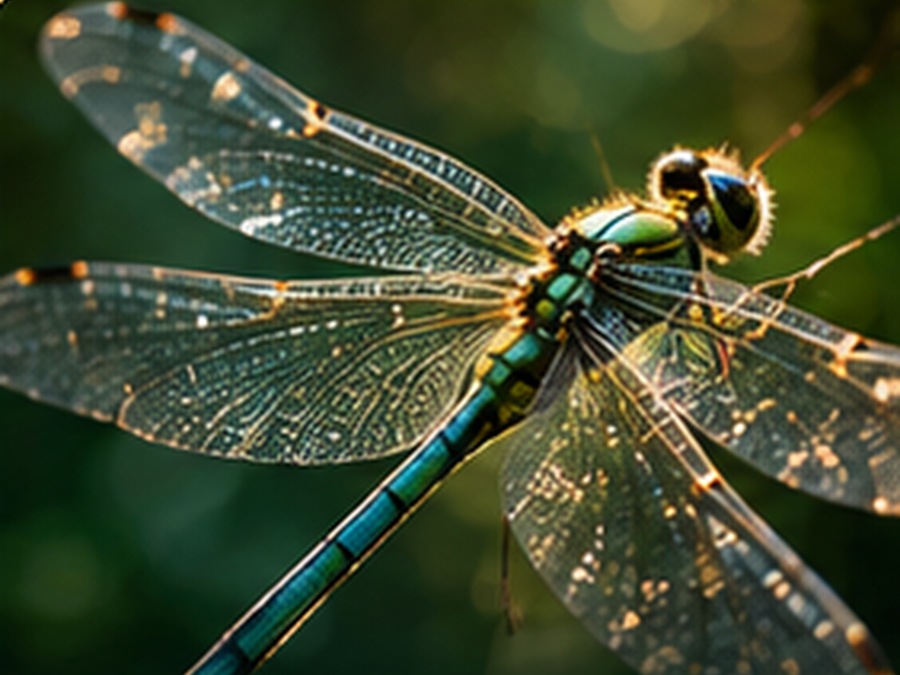
02 — Organismic
Explore plants, animals, fungi and other organisms as living systems. Consider form, function, movement, perception, growth, adaptation and development. A leaf, for example, can be studied as a surface that interacts with light and gases, as a growing organ shaped by development, and as one part of a whole organism.
03 — Ecosystemic
Move from individual organisms to relationships among populations, communities and their environments. Explore food webs, mutualism, competition, decomposition, nutrient cycles, succession, disturbance and ecological resilience. An ecosystem includes both living organisms and the non-living conditions with which they interact.
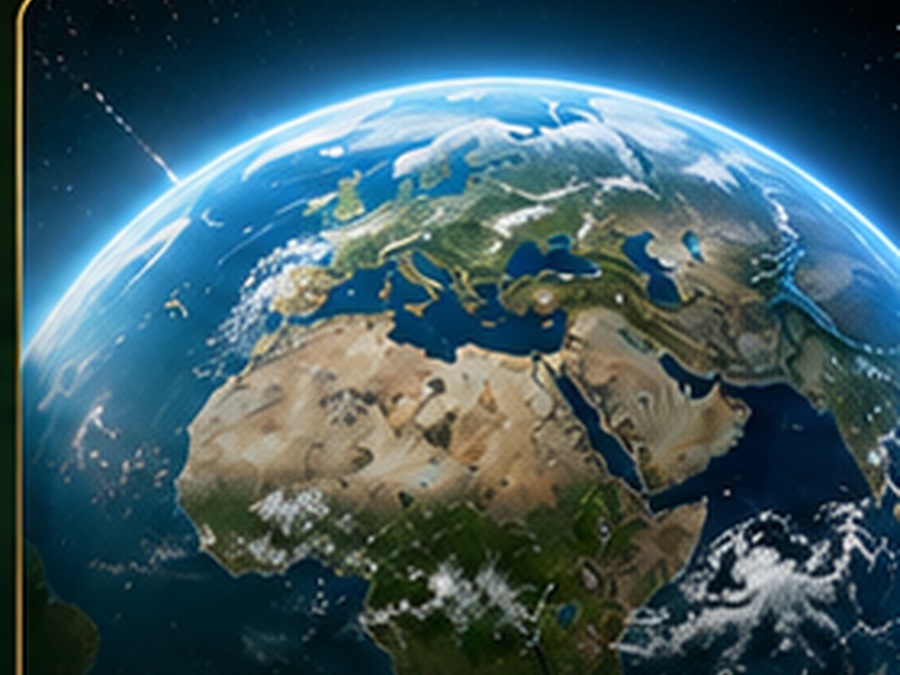
04 — Planetary
Consider Earth as a coupled system of atmosphere, oceans, land, ice, water, climate and life. Planetary questions include the water and carbon cycles, biodiversity, energy flows, geochemical processes and the conditions that support the biosphere. A planetary view helps reveal that local actions can be connected to larger processes, while the evidence for each connection must still be examined carefully.
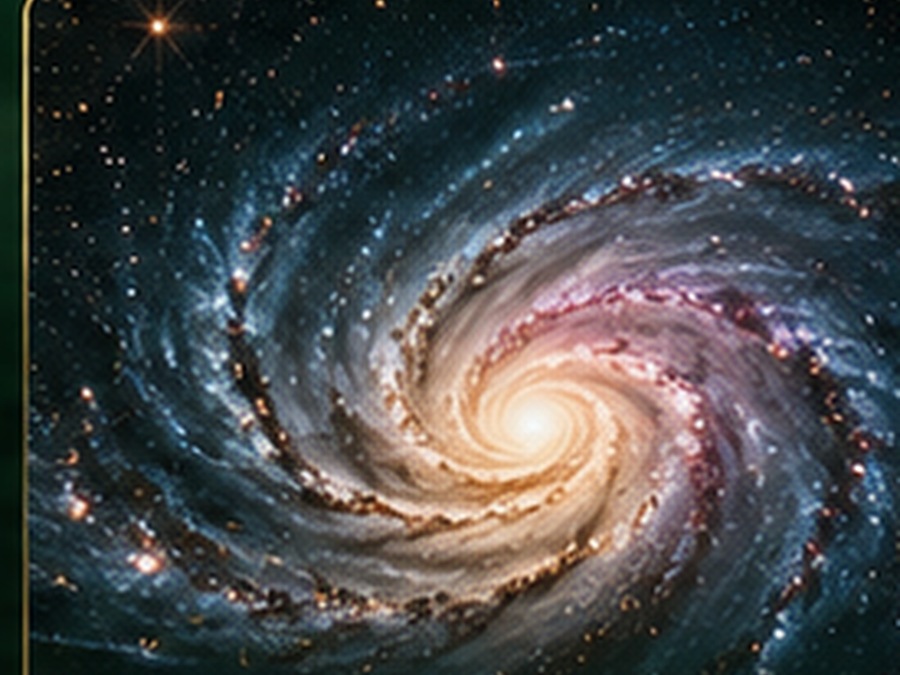
05 — Cosmic context
Place Earth within the physical universe. Explore stars, planetary formation, exoplanets, galaxies, astrophysics and the scientific search for life beyond Earth. The existence of extraterrestrial life remains an open scientific question. Artistic renderings, mathematical possibilities and observations of potentially habitable environments must not be presented as detections of life.
Reading across scales
A subject rarely belongs to only one scale. A forest can be approached through the cells of its trees, the organisms that inhabit it, the ecological relationships that sustain it, its role in regional water and carbon processes, and the planet-wide systems in which it participates. Each approach contributes a different kind of explanation.
For biological organization, see the open textbook OpenStax Biology 2e, section 1.2. It describes levels from molecules and cells through organisms, populations, communities, ecosystems and the biosphere. NOVASCENZA’s five lenses are an editorial navigation framework built around, but not identical to, that hierarchy.
Questions to carry forward
- What changes when we move from the parts of a system to the relationships among them?
- Which processes cross the boundary between an organism and its environment?
- What evidence is available at the scale being discussed?
- Which details become visible at one scale and disappear at another?
Continue exploring: Biomimicry · Convergence · Science · Knowledge